Liturgical Calendar
Dates for Advent, Christmas, Lent, Holy Week and Easter — three years at a glance, plus a countdown to the next one.
Quick answer: This liturgical calendar reference table displays calculated dates for ten major Christian observances across three years, featuring live countdowns to Advent, Easter, and Christmas based on your local browser clock.
The liturgical calendar organizes the Christian year into distinct seasons and holy days centered around the life of Jesus. This page provides a clear reference table displaying ten major observances for three consecutive years. You can quickly check key dates, including the start of Advent, Christmas Day, Ash Wednesday, Holy Week, Easter Sunday, Ascension Day, and Pentecost. A real-time countdown also shows how many days remain until the next Advent, Easter, and Christmas based on your device clock.
All dates are calculated automatically rather than entered by hand. Easter Sunday is set using standard astronomical calculations for the Western church year. Most other variable dates, such as Ash Wednesday, Holy Week, Ascension Day, and Pentecost, are counted directly from Easter. Advent always begins on the fourth Sunday before Christmas, while Christmas remains fixed on December 25. The table displays the current year alongside the next two years for convenient planning.
Counting down to the next season
The countdown is computed in your browser from your device's own clock and time zone; this page stores nothing about you.
| What it shows | The table lists ten key church dates, including Advent, Holy Week, Easter, Ascension, and Pentecost. |
|---|---|
| Years covered | Dates are displayed for three years at a time, covering the current year and the next two. |
| How Easter's date is set | Easter is calculated using the standard Gregorian algorithm based on lunar and spring cycles. |
| Moving dates | Observances like Ash Wednesday, Palm Sunday, Ascension, and Pentecost are counted directly from Easter. |
| Western calendar | The dates shown reflect the Western church calendar and may differ from Eastern Orthodox dates. |
Church calendar dates 2026, 2027 and 2028
| Ash Wednesday (Lent begins) | Wednesday, February 18, 2026 |
|---|---|
| Palm Sunday | Sunday, March 29, 2026 |
| Maundy Thursday | Thursday, April 2, 2026 |
| Good Friday | Friday, April 3, 2026 |
| Holy Saturday | Saturday, April 4, 2026 |
| Easter Sunday | Sunday, April 5, 2026 |
| Ascension Day | Thursday, May 14, 2026 |
| Pentecost | Sunday, May 24, 2026 |
| Advent begins (4th Sunday before Christmas) | Sunday, November 29, 2026 |
| Christmas Day | Friday, December 25, 2026 |
| Ash Wednesday (Lent begins) | Wednesday, February 10, 2027 |
|---|---|
| Palm Sunday | Sunday, March 21, 2027 |
| Maundy Thursday | Thursday, March 25, 2027 |
| Good Friday | Friday, March 26, 2027 |
| Holy Saturday | Saturday, March 27, 2027 |
| Easter Sunday | Sunday, March 28, 2027 |
| Ascension Day | Thursday, May 6, 2027 |
| Pentecost | Sunday, May 16, 2027 |
| Advent begins (4th Sunday before Christmas) | Sunday, November 28, 2027 |
| Christmas Day | Saturday, December 25, 2027 |
| Ash Wednesday (Lent begins) | Wednesday, March 1, 2028 |
|---|---|
| Palm Sunday | Sunday, April 9, 2028 |
| Maundy Thursday | Thursday, April 13, 2028 |
| Good Friday | Friday, April 14, 2028 |
| Holy Saturday | Saturday, April 15, 2028 |
| Easter Sunday | Sunday, April 16, 2028 |
| Ascension Day | Thursday, May 25, 2028 |
| Pentecost | Sunday, June 4, 2028 |
| Advent begins (4th Sunday before Christmas) | Sunday, December 3, 2028 |
| Christmas Day | Monday, December 25, 2028 |
Dates are computed at build time with the standard Gregorian computus (Meeus/Jones/Butcher) — the same method used across this site's occasion pages — and follow the Western church calendar; Eastern Orthodox dates usually differ.
Planning readings for a season? The verse collections for Advent, Easter and Christmas pair with this table, the Advent calendar opens a verse a day in December, and the verses about the church gather the passages behind the calendar's own word.
Frequently Asked Questions
What is the liturgical calendar used for?
Why does the date of Easter change every year?
Do these dates match every church tradition?
Is this page free to use, and is any data saved?
More Keep reading
Open a door a day through December — a real verse behind each one
The season's readings, in full KJV text
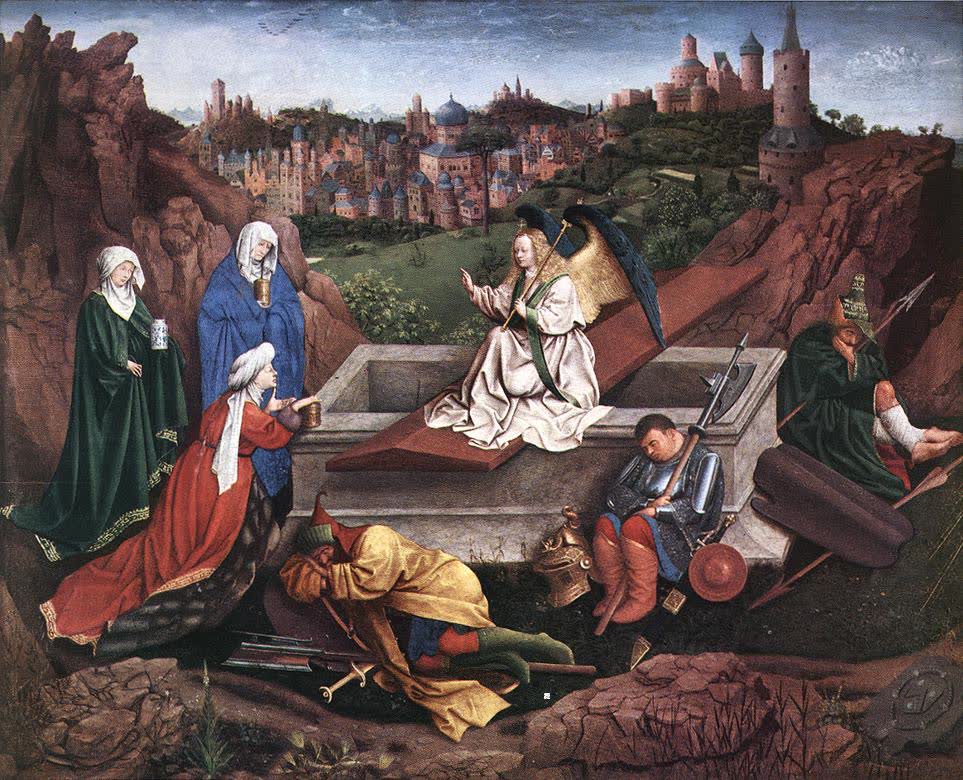
Resurrection readings from the empty tomb accounts on
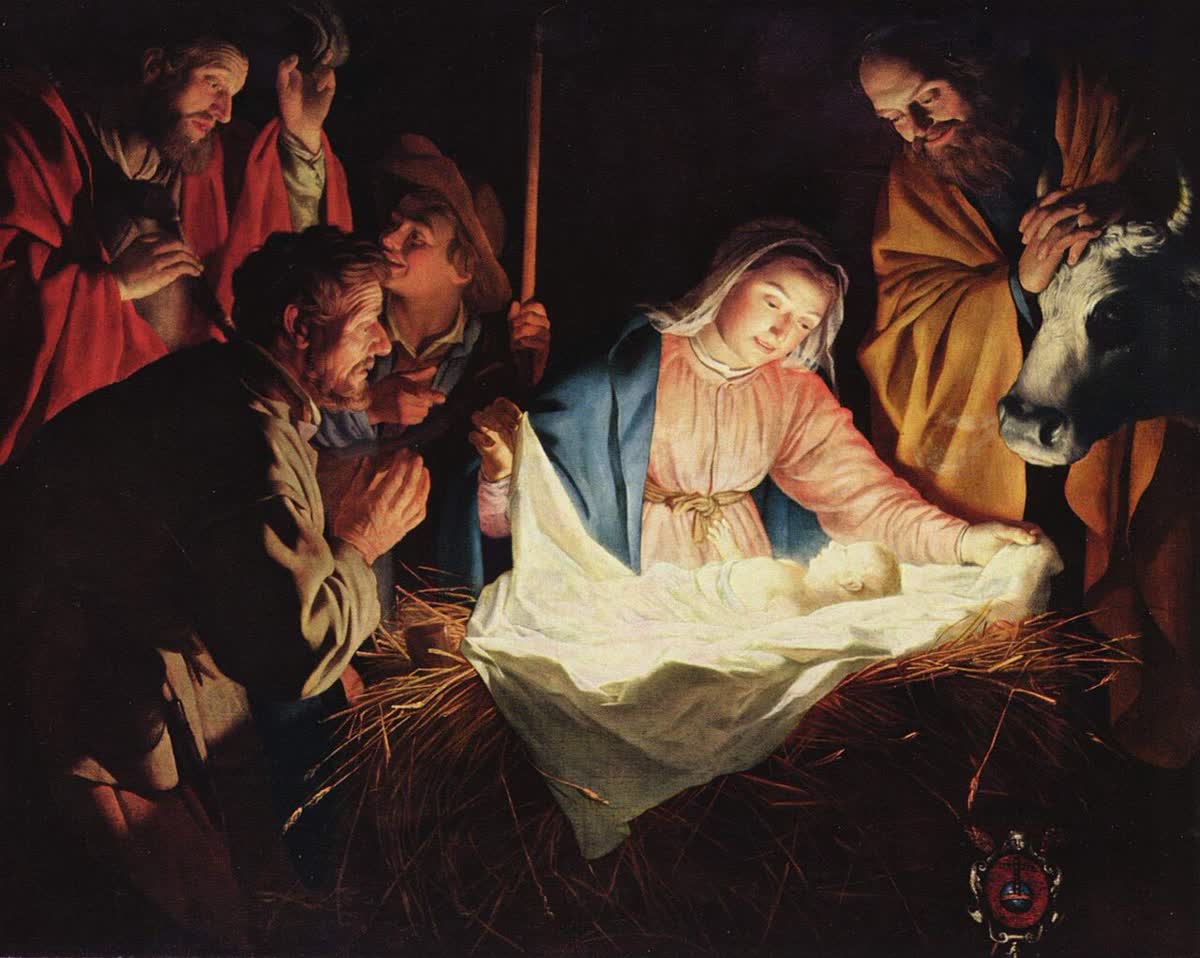
Prophecies, the nativity record and the carols' sources